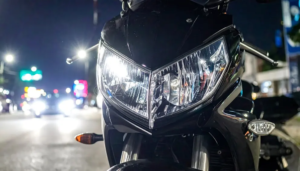
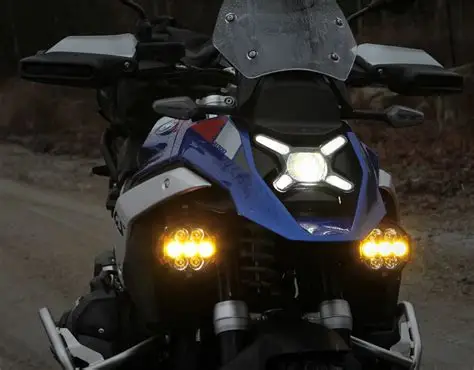
If you love exploring remote dirt paths, camping in rural areas, or riding long distances across countryside highways, standard factory motorcycle lighting will rarely cut it. Adventure (ADV) bikes are built to conquer tough conditions, but heavy rain, dust clouds, and pitch-black rural roads require serious illumination. This is where auxiliary LED lights come into play. These secondary pods, usually mounted to your bike’s crash bars or front forks, drastically widen your field of view and make your motorcycle significantly more visible to oncoming cars during the day.
When shopping for the ultimate auxiliary light setup for your adventure touring bike, look out for these top features and styles.
1. Flood Beams vs. Spot Beams
Auxiliary lights generally come in two distinct optical patterns:
- Spot Beams: These lenses throw a tight, highly focused column of light incredibly far down the trail. They are perfect for high-speed riding on straight, dark stretches where you need to spot wildlife or road debris hundreds of feet away.
- Flood Beams: These lenses spread light wide across the immediate sides of the road. They are essential for low-speed off-road technical trails, helping you see upcoming rocks, ruts, or sharp turns easily.
- Pro Tip: Many adventure riders choose a dual setup—one spot pod and one flood pod—for the ultimate balanced view.
2. Look for Heavy-Duty Waterproof Ratings
Adventure riding means facing muddy water crossings, heavy downpours, and flying trail dust. Regular cheap light pods will quickly leak moisture and burn out. Always invest in auxiliary lights with an IP68 or IP69K waterproof rating. This ensures the housings are completely hermetically sealed against high-pressure water sprays and submersion.
3. Choose Low Power Consumption Pods
A motorcycle’s charging system (stator) produces a limited amount of electricity compared to a car engine. If you install heavy, power-hungry halogen pods, you risk draining your bike’s battery while riding. High-quality LED pods provide massive lumen output while pulling minimal wattage, ensuring your bike’s electrical system remains healthy and fully charged even with all your lights running.