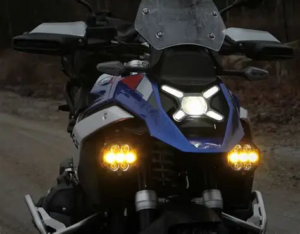
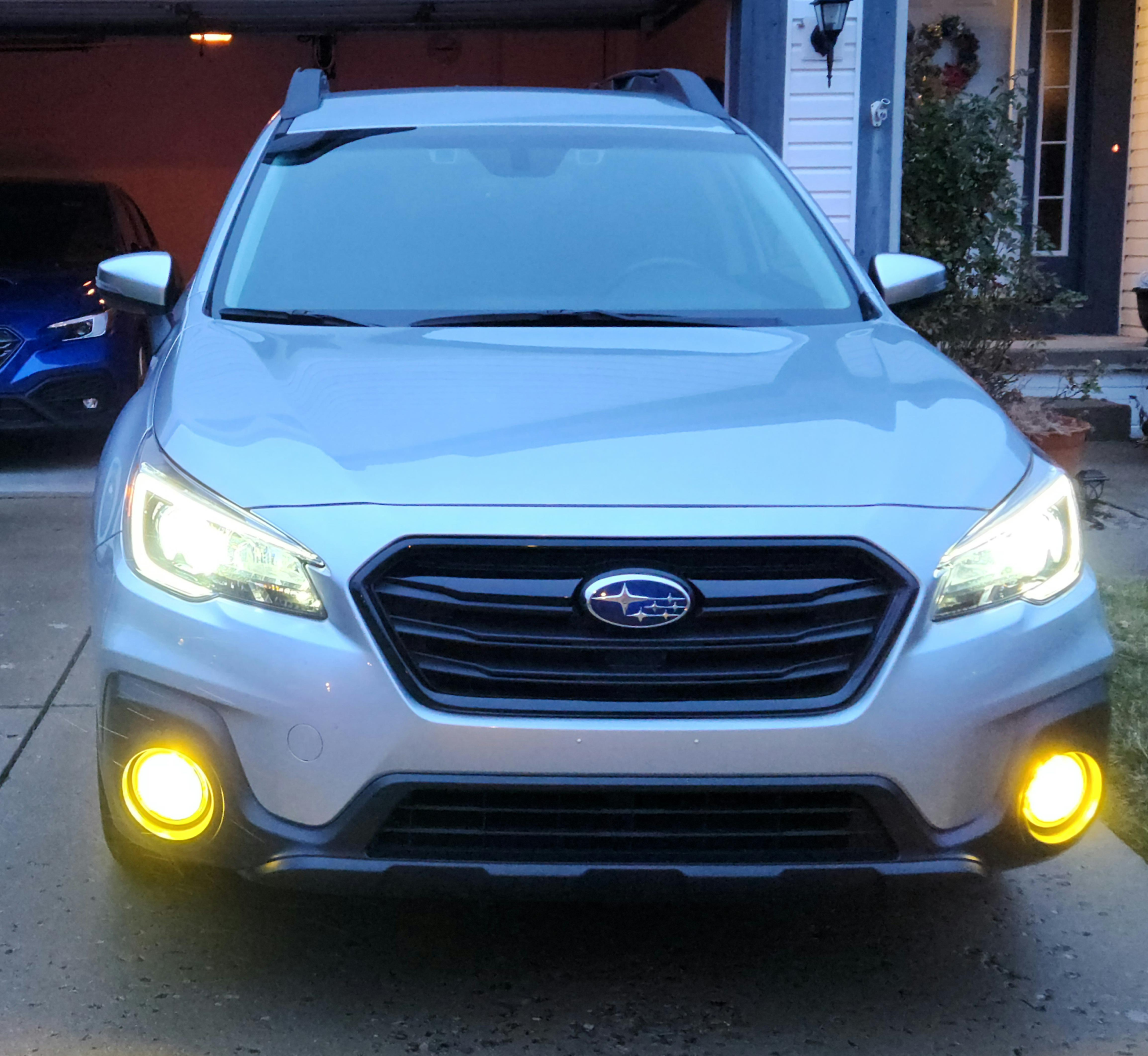
When you look at modern cars on the road, you will see a mix of clear white lights and deep yellow lights positioned near the ground. For decades, yellow fog lights have been a popular choice for truck owners, off-road enthusiasts, and daily drivers who frequently deal with challenging winter climates. If you are preparing to upgrade your vehicle’s factory lighting setup, you might wonder if switching to selective yellow fog lights is actually beneficial or just a visual trend.
Choosing the right fog light color involves understanding how light travels through bad weather and how human eyes process color. Let’s explore the science behind yellow fog lights and how to choose the best ones for your car.
The Science: White vs. Yellow Light
The biggest problem with driving in heavy fog or thick snow is a phenomenon called “backscatter glare.” White light consists of all visible light colors combined, including blue and violet wavelengths. These short blue wavelengths easily hit tiny water droplets in the fog and bounce directly back into the driver’s eyes, causing a blinding white wall effect.
Pure yellow light operates on much longer wavelengths. It penetrates through airborne water particles and moisture much better without scattering aggressively. Furthermore, the human eye processes yellow light much more comfortably in dark conditions, allowing your brain to detect road depth and sudden obstacles faster without suffering from quick eye strain.
Key Factors to Consider When Buying Yellow Fog Lights
If you decide to switch to yellow lights for extreme weather, keep these technical aspects in mind before hitting the buy button:
- LED vs. Halogen: True yellow halogen bulbs provide an organic warm glow, but they pull more battery power and run hot. High-end yellow LED fog lights offer immense brightness, draw very little power, and feature advanced aluminum cooling fins to last for years. Look for LEDs with high-quality chips (like Cree or Osram).
- Beam Pattern and Cut-off: A fog light is useless if it shoots light upward into the sky. Look for brands that advertise a strict SAE/DOT compliant beam pattern. This guarantees the light creates a wide horizontal field right above the pavement with a clean upper cut-off line to keep from blinding oncoming drivers.
- Weatherproof Rating: Your fog lights will live a rough life near the asphalt. Always check the product specifications for an IP rating (Ingress Protection). Opt for bulbs or housings with an IP67 or IP68 rating, which means they are completely sealed against heavy rain, dust, and deep puddles.
By picking a high-quality set of selective yellow fog lights with proper beam aiming, you will drastically improve your safety and driving comfort during the worst driving conditions imaginable.